Network Management Cost Factors
If you're running a business, the last thing you want to worry about is your network management costs. But if your network isn't managed correctly, it can quickly become an expensive problem. So how do you avoid this? Let's take a look at some of the key factors that affect the cost of network management and what you can do to keep those costs under control.
First up is staffing. A well-staffed IT department with experienced professionals can help ensure your network runs smoothly, but it comes at a price. The average salary for an IT professional in the US was $91,235 in 2020, according to the Bureau of Labor Statistics. That's a hefty investment, especially if you're running a small business or just starting out.
But staffing isn't your only option. Outsourcing network management to a managed service provider (MSP) can be a cost-effective alternative. MSPs typically charge a flat fee for their services, which can include everything from monitoring and maintenance to security and backup. This can save you money in the long run by avoiding unexpected costs associated with hiring additional staff or dealing with network issues that arise.
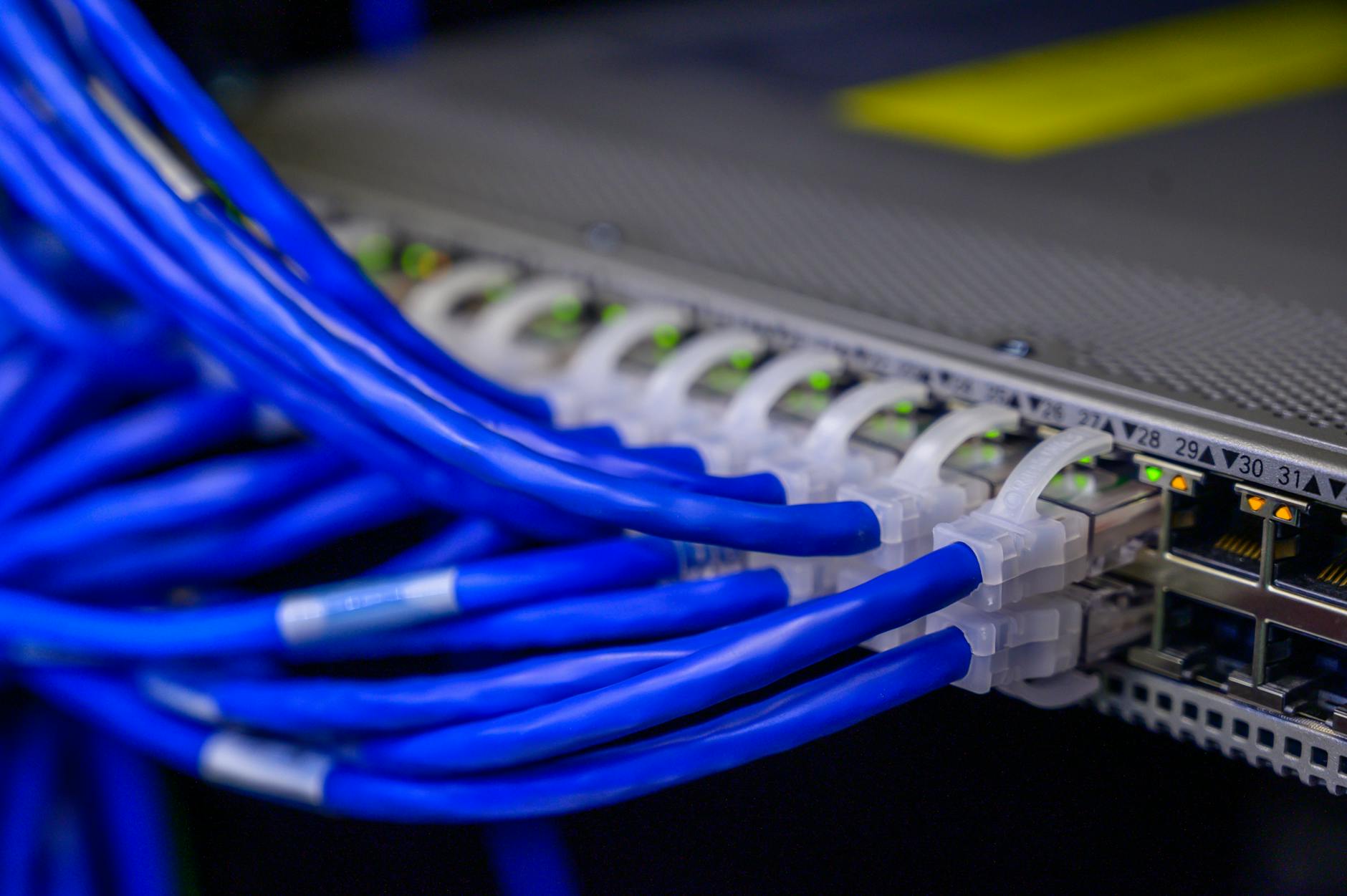
Another key factor is the type of equipment you're using. High-end networking hardware can be expensive, but it can also help improve your network's performance and reliability. On the other hand, cheaper equipment may save you money upfront but could lead to more problems down the line. It's essential to strike a balance between cost and functionality that makes sense for your business.
In addition to hardware, software plays a crucial role in network management costs. Many companies opt for free or open-source software solutions, which can be a great way to save money. However, these solutions may not offer the same level of support or customization as paid options. It's essential to weigh the benefits and drawbacks of each option before making a decision.
Finally, don't overlook the importance of proper training for your IT staff. While it may seem like an additional expense, investing in ongoing education can help ensure that your team is equipped with the skills they need to manage your network effectively. This can lead to fewer issues and lower overall costs in the long run.
In conclusion, managing network management costs requires careful consideration of various factors such as staffing, equipment, software, and training. While it may be tempting to cut corners to save money, doing so could lead to more problems down the line. Instead, focus on finding a balance between cost and functionality that makes sense for your business. By taking these factors into account, you can ensure that your network runs smoothly and efficiently without breaking the bank.